
Apple’s iPad Strategy Makes No Sense
Here’s why
October 25th, 2022
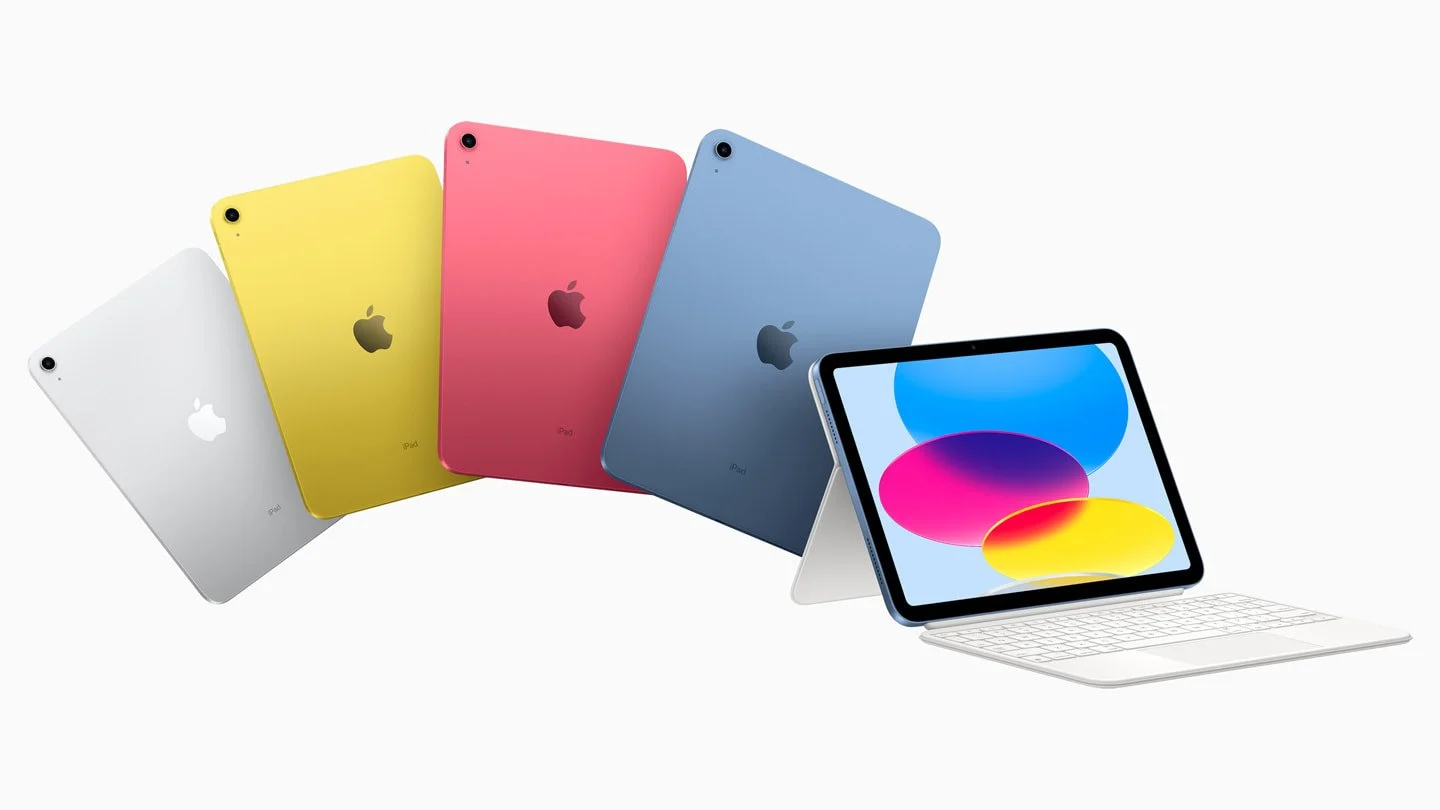
On October 17th, Apple released the new iPad 10th generation alongside the new iPad Pros featuring the updated M2 chip. The updated iPad now features the same design language from the 4th and 5th generation iPad Air which now features a USB-C charging port, ditching the long-in-the-tooth lighting port. The iPad gains the A14 Bionic chip, an Ultra-Wide 12MP front-facing camera, which is now located in landscape orientation, and an updated rear-facing camera. All this sounds good on paper… until we get to the price.
The new iPad now starts at $599 CAD, $170 more expensive than its predecessor. I will note that Apple is still selling the 9th generation iPad on their website for the same price of $429. This new addition sits weirdly in between its predecessor and the iPad Air priced at $799. To differentiate itself, the iPad sacrifices quite a bit. The iPad doesn’t feature a laminated display, no P3 color gamete, and no support for the 2nd generation iPad pencil. That’s right, the new iPad still uses the first-generation pencil that charges through the lightning port. Apple’s solution for this is a $10 adaptor that connects to a USB-C cord. The result is an unsightly and head-scratching solution to a problem that is a last-ditch attempt to clear out the stock for the first-generation pencil.
iPadOS 16 aims to highlight the difference between the M series chipped iPads and its A-series powered devices. Stage Manager, the newest multi-tasking system added to this new update, is only available on M1 and M2 power iPads. This is purely a marketing ploy, as Apple has previously run full-blown macOS on A series hardware when they were transitioning to their silicon hardware in 2020. For years there has been speculation that Apple might adopt macOS onto into its iPad lineup. Rumours heated up exponentially when Apple transitioned its M-series silicon onto its iPad Pro line in 2021. For now, the iPad remains restricted to its operating system and prevents it from truly being the productivity machine Apple claims it is. iPadOS workflow has it uses from some users, but for the remainder of us, the iPad underutilizes the amount of power it’s capable of.